Dispatch, May 6th
where I write unfocusedly about a few things

Substack’s spelling/grammar helper has placed a red perforated line beneath ‘unfocusedly’, which apparently isn’t a word. I’m already off to a bad start.
I’d planned to post something about 1977 over the last few weeks as part of a serialized, year-by-year autobiography. It didn’t happen. Nagging deadlines pulled my attention away from Substack, as did endlessly dispiriting drama related to the publication of a novel I wrote in 2022 and 2023, a novel that would’ve already been published by Tyrant Books were Tyrant Books’ owner and editor Giancarlo DiTrapano still alive. Five years after his death, Gian’s absence is annoying as it relates to my work, unacceptable and heartbreaking as it relates to my life, friendship, a sense of family, connection—all the Big & Poetic stuff.
So while trying to bite my tongue as it lives inside my typing fingers, and not rage at people in emails for not being Gian, I sought comfort in the droning music of La Monte Young, and in the cheerfully mantric compositions of Steve Reich, particularly this one, for marimba. Then, because I have ADD, or ADHD, or because I’m avoiding editing a six-thousand-word essay about benzodiazepine withdrawal, I googled La Monte Young, and Steve Reich, and discovered they’re both still alive, and quite old.
They’re not the only ones.
Put everything down, Brad. You can edit that later—you still have two days. Look into it further, do more googling. These are things I told myself. After taking my suggestions I learned that a disproportionate number of so-called minimalist composers are very old, and still with us.
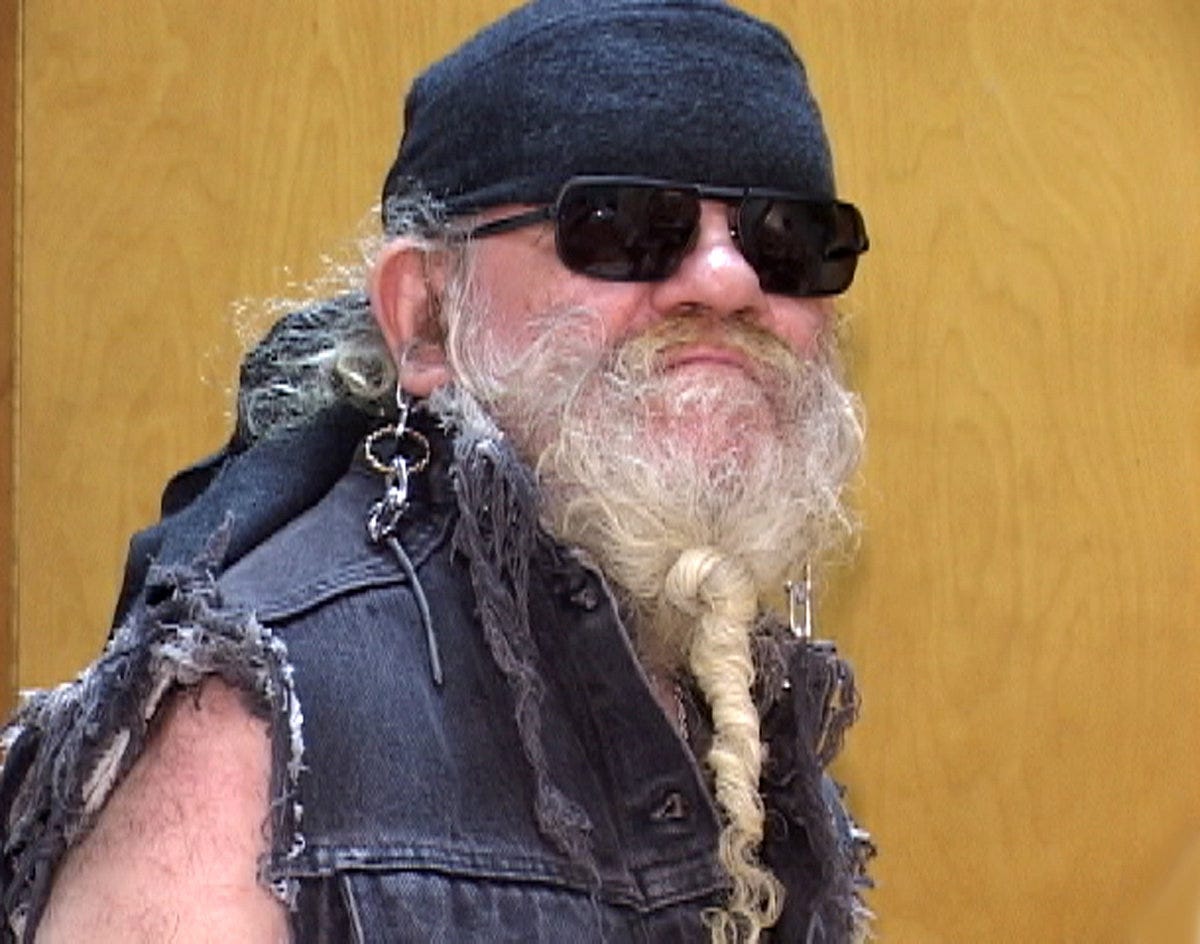
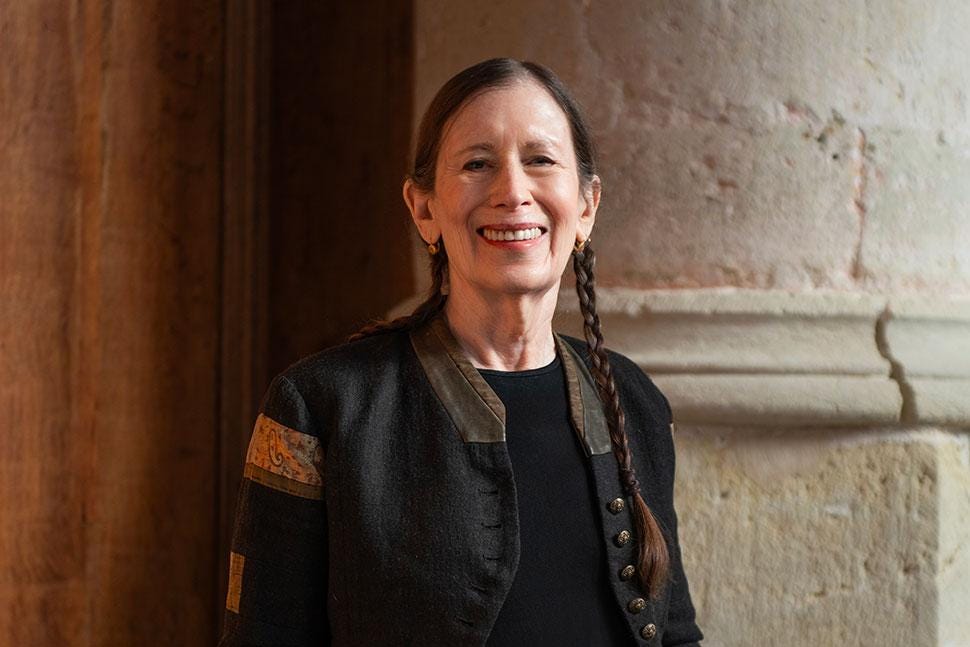
La Monte Young, who looks like a shamanic hitman under contract to the Hells Angels, is 90 years old. Steve Reich, who wore logo-free baseball hats long before Succession’s 'quiet billionaire’ style became mainstream, is 89. Terry Riley, the caucasian Sun Ra, is 90. Philip Glass, who snapped at me in 2005 when he thought—mistakenly—I was cutting in front of him at Hunan Village, is 89, and on the younger side, Meredith Monk—who looks how you want your therapist to look—is 83.


Is their music helping them live longer than most people? I asked myself this question. Is this just selection bias? Who cares, but maybe. 83 might not be that old, sure, but 90 is, and it’s definitely remarkable that each time I googled a key figure in minimalist music, they were still alive—and if not 90, pushing 90. If it’s the music, then what about it? Did these musicians, by freeing themselves from the oppressive, time-bound world of rhythm, discover the secret to a longer life? Rock and roll, with its reliance on 4/4 time, mimics the mathematics of a day on Earth. The sun goes up and the sun goes down. Songs, like lives, have clear beginnings and clear endings. Songs by La Monte Young and Terry Riley don’t sound like songs by Aerosmith or Jimi Hendrix. Beginnings and endings aren’t clear. Metrically, they don’t remind you of a day on Earth. By focusing their lives on music not tied to the gravebound structure of both rock and roll and nature, these musicians might’ve accidentally postponed their own deaths.
This is all bullshit. Minimalist music isn’t divorced from rhythm. If anything, songs by Philip Glass and Steve Reich are unrelentingly rhythmic. I just stumbled upon a handful of octogenarian musicians one night while procrastinating and procrastinated further by developing this theory, which is in no way scientific. My real theory about aging is much different, and totally scientific.
MOBSTER LONGEVITY